

close
Choose Your Site
Global
Social Media


Author: Site Editor Publish Time: 2026-04-10 Origin: Site
Labels can say a lot, but field performance says more. Some products look strong on paper yet do not match real crop stages, soil conditions, or feeding schedules. That is why Organic nitrogen fertilizer should be judged by more than one number. Rizhao Organic Biotechnology Co., Ltd., known as Rizhao Organic, develops plant-based fertilizer solutions for growers who want cleaner nutrition, practical use, and stable crop support. When people ask what makes a good organic nitrogen fertilizer, the answer usually comes down to source, formulation, and how well the product works from early growth to later crop management.
A good organic nitrogen fertilizer should begin with raw materials that make sense in agriculture. When the source is soy meal, corn starch, and wheat bran, the product feels more transparent and easier to trust. These ingredients are familiar to farms focused on organic production, green cultivation, and long-term soil care. They also give the fertilizer a clearer identity than products that only use broad claims such as “natural” without saying more.
Plant-based sources also support a cleaner production story. Soy meal is valued for its organic nitrogen content, corn-based materials help support soil conditioning, and wheat bran contributes to better soil texture and moisture handling. Together, they create a nutrient source that feels more grounded in actual farm use.
The source is important, but processing matters too. A good organic nitrogen fertilizer should be made through a clean process that keeps the value of the raw materials intact. Rizhao Organic uses physical manufacturing procedures without chemical additives, giving the product a more natural nutrient profile and making it easier to use in organic and green farming programs.
This also affects how growers view consistency and safety. A cleanly processed fertilizer fits more naturally into crop plans where input quality matters. It supports the field without introducing unnecessary synthetic elements, and that makes the product easier to work into long-term management.
Many people judge fertilizer quality by nitrogen percentage alone. That sounds simple, but it does not reflect how crops are actually fed. A higher concentration can be very useful when crops need strong vegetative growth. Leafy vegetables, corn, and other nitrogen-demanding crops often respond well to a stronger product during active development.
This is where a product such as Organic Nitrogen Fertilizer 15% becomes valuable. It provides a concentrated plant-based nitrogen source for stages when crops need stronger support. In early growth or pre-plant feeding, that extra strength can help build a better nutritional base.
Still, a higher number does not automatically mean a better fertilizer. Quality is not about choosing the strongest option every time. It is about matching product strength to crop need.
Some crops do better with steadier support than with a strong push. Sensitive plants, general crops, and more moderate feeding programs often benefit from a gentler release pattern. That is why lower-concentration options can be very useful in the field.
Organic Nitrogen Fertilizer 8% is a good example. It offers a milder, more manageable way to provide organic nitrogen. It may not look as aggressive on a label, but it often gives better balance in routine feeding programs. A dependable fertilizer should support growth in a way that fits the crop, not just impress with a high percentage.
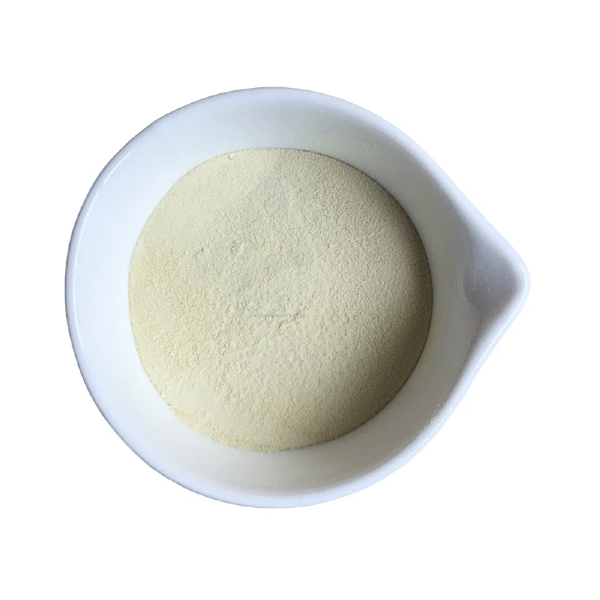
The form of the fertilizer affects how it fits into field practice. Powder products are often a strong choice when the feeding plan starts from the soil. For base fertilization, soil amendment, and pre-plant nutrition, powder organic nitrogen fertilizer helps place nutrients where early root activity can use them most effectively.
This form is especially useful for growers who prefer to build crop nutrition from the ground up. Instead of treating fertilizer as a quick correction tool, they can use it as part of a more structured soil program. Powder products also fit well into pre-plant schedules and broader field preparation.
Liquid form serves a different purpose. When timing matters, liquid organic nitrogen fertilizer becomes a very practical option. It works well for foliar spray and drip irrigation, and it gives growers more flexibility during active growth periods.
Some fields need quick adjustment. Some crops benefit from targeted support at key stages. In those situations, liquid fertilizer helps the feeding plan stay responsive. Rizhao Organic includes a liquid option for exactly this reason. It is not there to replace powder, but to solve a different field need with more speed and flexibility.
What to Check in a Good Organic Nitrogen Fertilizer | What it tells the reader | Why it matters in practice |
Raw materials | Plant-based or unclear source | Helps judge product transparency |
Nitrogen level | Mild or stronger feeding | Helps match crop demand |
Product form | Liquid or powder | Affects application method |
Release pattern | Fast support or steadier feeding | Helps with timing decisions |
Early growth is often the best time to see whether a fertilizer truly fits the crop. At this stage, plants are establishing roots, building leaves, and setting the pace for later development. A good organic nitrogen fertilizer should support healthy leaf formation and strong early vigor without making the program harder to manage.
Different crops and field conditions call for different approaches. Stronger powder formulations may help build a solid base, while liquid feeding may suit more targeted support during active growth. What matters is whether the product matches the stage instead of forcing one feeding style across the entire season.
As crops move forward, feeding decisions usually need more precision. Later applications should stay aligned with crop needs, field condition, and the overall nutrition plan. A good fertilizer remains useful at this stage, but in a more controlled way.
That may mean switching to a gentler powder, using liquid in a more targeted way, or simply reducing intensity once the crop passes its main vegetative stage. This is another sign of quality. A dependable fertilizer works within a broader plan instead of acting like a one-time solution. The products that stay useful across multiple crop stages usually bring more practical value in real farming.
A good organic nitrogen fertilizer is not defined by one claim on a label. It should come from clear plant-based sources, use clean processing, fit real application methods, and stay useful across different crop stages. That is the standard Rizhao Organic aims to meet through a practical product range for organic farms, green cultivation, and broader agricultural use. For growers comparing options, a product such as Liquid Organic Nitrogen Fertilizer shows how flexible plant-based nutrition can support real field decisions. Contact us at Rizhao Organic to discuss crop needs, application methods, and the right product for your market.
A clear raw material source is one of the strongest signs. When the fertilizer is made from plant-based ingredients such as soy meal, corn starch, and wheat bran, it gives readers a more transparent and reliable product story.
No. A higher nitrogen level can work very well for crops with strong vegetative demand, but it is not the best fit for every crop or every stage. Matching the product to field conditions is more important than simply choosing the highest number.
Liquid form is especially useful when crops need faster support or when the field already uses foliar spray or drip irrigation. It adds flexibility and makes targeted feeding easier during active growth.
Plant-based ingredients help create a cleaner, more natural fertilizer profile. They also support farms that want organic-friendly inputs, clearer sourcing, and a product that fits long-term soil and crop management.


