

close
Choose Your Site
Global
Social Media


Hydrangeas are the showstoppers of the summer garden. With their massive, cloud-like blooms and lush foliage, they have a way of demanding attention. But keeping them looking their best requires more than just water and sunlight; it requires the right fuel. While hydrangeas aren’t notoriously hungry plants compared to heavy feeders like roses, a strategic feeding schedule can make the difference between a shrub that simply survives and one that thrives.
Many gardeners are intimidated by fertilizer. With endless options on the shelf—liquid vs. granular, bloom boosters vs. balanced, acid vs. alkaline—it’s easy to feel overwhelmed. Fear of burning the plant or ruining the soil often leads people to skip feeding altogether. However, fertilizing doesn’t have to be complicated.
In this guide, we will break down exactly how to fertilize a hydrangea bush. You will learn the best timing to maximize blooms, how to choose the right product, and the simple application techniques that ensure nutrients reach the roots where they are needed most.
-Quick start: The simple steps to success
-When to fertilize hydrangeas (timing that prevents waste)
-How often to fertilize a hydrangea bush
-Best fertilizer for hydrangeas (what to use—and what to avoid)
-How to apply fertilizer to a hydrangea bush (step-by-step)
-Troubleshooting (what your hydrangea is telling you)
-FAQ
-End-of-post checklist
If you are looking for the “Cliff’s Notes” version of hydrangea care, this section is for you. You don’t need a degree in horticulture to feed your plants correctly. By following this simple 5-minute plan, you can cover 90% of your hydrangea’s nutritional needs without the stress.
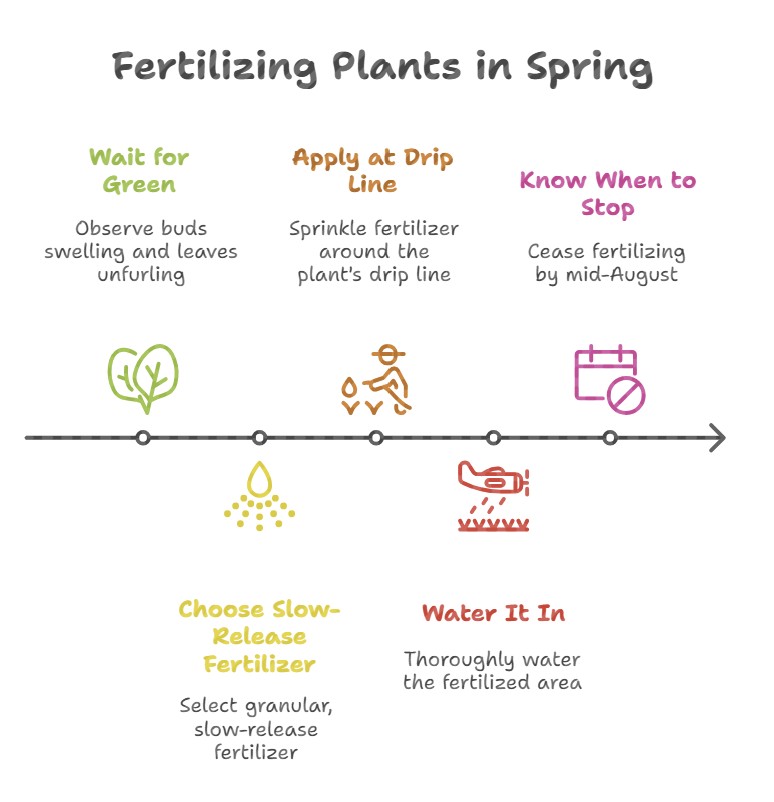
Timing is everything. Fertilizing at the wrong time isn’t just a waste of money; it can actually harm your plant. If you feed a dormant plant, the nutrients will likely wash away before the roots wake up. Conversely, if you feed too late in the year, you risk pushing soft, new growth that will be destroyed by the first frost.
Forget the calendar date for a moment and look at your plant. Nature provides the best signals.
Bud Swelling: The most reliable indicator is bud break. When the tiny nubs on the stems start to get plump and show green tissue, the plant is exiting dormancy.
Soil Temperature: Hydrangea roots are sluggish in cold soil. Wait until the days are consistently warm and the soil has thawed completely. If you fertilize while the ground is still frozen or soggy from snowmelt, the fertilizer will simply run off into the groundwater.
Early Spring (The Main Event): This is your primary application. Aim for late March to early May, depending on your hardiness zone. This application fuels the rapid leaf growth and bud formation that occurs in late spring.
Mid-Summer (Optional): For reblooming varieties (like the Endless Summer series) or plants in poor soil, a second boost in late June or early July can be beneficial.
Late Summer/Fall (The Danger Zone): Put the fertilizer away after mid-August. You want the plant to slow down and prepare for winter dormancy. stimulating new growth now creates weak branches that will freeze and die, potentially reducing next year’s blooms.
If you just brought a hydrangea home from the nursery, pause before you feed it. Nursery plants are typically pumped full of slow-release fertilizer pellets (often visible as small grey or yellow balls in the soil). Adding more now can lead to fertilizer burn.
For new plantings, focus on water and soil amendments like compost. Wait until the following spring to start a regular chemical fertilizer routine. Established shrubs (those in the ground for a year or more) rely entirely on you and the native soil for nutrition, so they are the prime candidates for the schedule outlined above.
More is not always better. In fact, with hydrangeas, “less is more” is a safer philosophy. Over-fertilizing is one of the most common reasons for hydrangeas that are big and leafy but refuse to flower.
For most gardeners, a single application of slow-release fertilizer in the spring is sufficient. This is particularly true if you have rich, loamy soil or if you top-dress with compost annually. Bigleaf, Oakleaf, and Panicle hydrangeas growing in decent soil will thrive on this “one-and-done” schedule. It minimizes the risk of fertilizer burn and encourages natural, sturdy growth.
There are specific scenarios where a second dose makes sense. If you are growing “reblooming” (remontant) hydrangeas, they have a heavier workload because they produce flowers on both old and new wood. They may appreciate a second, lighter snack in early summer to fuel that second wave of blooms.
Additionally, hydrangeas growing in very sandy soil may need more frequent attention. Sand drains quickly, meaning nutrients wash away faster (leaching) than in clay or loam soils. If you choose to fertilize twice, split the recommended annual dose in half. Apply 50% in spring and 50% in early summer.
Listen to your plant. If your hydrangea grew three feet last year and had dark green leaves but zero flowers, do not fertilize it. It likely has too much nitrogen already. Excess nitrogen promotes vegetative growth (leaves and stems) at the expense of reproductive growth (flowers).
You should also skip fertilizing during a drought or heatwave. When a plant is heat-stressed, its root system is compromised. Forcing it to process fertilizer salts during this time adds stress and can cause severe root burn. Hydrangeas need water, not food, when temperatures spike.
Walk down the garden aisle, and you will see dozens of colorful boxes. The secret? You don’t necessarily need a box with a picture of a hydrangea on it.
Slow-Release (Recommended): These are usually granular pellets coated to break down over time (3-6 months). They provide a steady, low-dose drip of nutrients. This mimics how plants feed in nature and is very safe.
Fast-Release (Liquid): Blue water-soluble powders give a massive, instant hit of nutrients. While satisfying to use, they are risky. They easily burn roots, leach into the environment, and wear off quickly, requiring you to re-apply constantly. Stick to slow-release for shrubs.
A “balanced” fertilizer means the three numbers on the bag (N-P-K) are roughly equal, such as 10-10-10. This is an excellent all-purpose choice.
However, if you want to prioritize flowers, look for a “bloom booster” or rose formula where the middle number (Phosphorus) is higher than the first number (Nitrogen). For example, a 10-20-10 or 15-30-15.
Nitrogen (N): Fuels leaves. Too much equals no flowers.
Phosphorus §: Fuels roots and blooms.
Potassium (K): General health and disease resistance.
If you prefer to avoid synthetic chemicals, organic options are fantastic for hydrangeas. They nourish the soil biology, which in turn feeds the plant.
Compost: A 1-inch layer of compost around the base in spring is often all a hydrangea needs.
Holly-tone or Rose-tone: These are popular organic granular brands that break down slowly and improve soil health.
Compost Tea: This liquid extraction is great for a gentle mid-summer boost but doesn’t replace the nutrient density of granular food or solid compost.
Be wary of fertilizers labeled specifically “For Acid Lovers” (like generic Azalea food) unless you know your soil pH or are trying to turn your hydrangeas blue. If your soil is already acidic, adding more acid can lock out other nutrients.
Also, avoid DIY “grandma’s recipes” involving vinegar or massive amounts of coffee grounds to change soil pH. These methods are imprecise and can shock the root system.
You have your timing down and your product selected. Now, let’s get it into the ground correctly.
Check the soil moisture. Never fertilize a bone-dry plant. If it hasn’t rained recently, water the hydrangea deeply the day before you plan to fertilize. This primes the roots. Next, use a rake or your hands to gently pull back any mulch (wood chips or leaves) from the base of the plant to expose the bare soil.
Beginners often pile fertilizer against the main stem. This is a mistake. The thick woody roots near the trunk are for anchoring; they don’t absorb much food. The fine “feeder roots” are located further out.
Visualize an umbrella over your plant. The edge of that umbrella, where water would drip off the leaves, is the “drip line.” Sprinkle your fertilizer in a circle following this line.
Read the label. Manufacturers calculate rates based on the concentration of the product. Usually, it is measured by cups per foot of plant height or width. If you are ever in doubt, use half the recommended amount. Under-fertilizing is easily fixed; over-fertilizing is not. If you are doing the “two feedings per year” schedule, remember to cut the dose in half for each application.
This is the activation step. Take a hose or watering can and thoroughly soak the area where you sprinkled the fertilizer. This does two things:
It washes the granules off any lower leaves (preventing foliage burn).
It starts dissolving the granules so they can move into the soil solution where roots can access them.
Once watered, rake the mulch back over the soil. This locks in moisture and keeps the soil temperature stable. For the next two weeks, keep an eye on the plant. If you see edges of leaves turning brown and crispy, you may have used too much fertilizer. Flush the soil with heavy water to help leach out the excess salts.
Your hydrangea is an excellent communicator. If it isn’t happy with its diet, it will show you signs.
This is the classic sign of Nitrogen overdose. You have fed the plant a “lawn food” diet, promoting rapid green growth but inhibiting flower bud production.
The Fix: Stop fertilizing completely for a season. Next year, switch to a bloom-boosting formula with a lower first number (low nitrogen).
If the leaves are turning yellow but the veins remain green (chlorosis), the plant is struggling to uptake iron. This often isn’t because the soil lacks iron, but because the soil pH is too high (alkaline), making the iron “unavailable.”
The Fix: A soil test is required. If the pH is too high, you may need an acidifier. If nutrients are simply low, a balanced fertilizer application should perk it up within a few weeks.
This looks like the edges of the leaf have been singed by fire. It usually happens if you apply fertilizer to dry soil, use a fast-release liquid in the heat of the day, or simply use too much.
The Fix: Deep watering immediately. You need to flush the mineral salts out of the root zone.
If a torrential downpour occurs immediately after you fertilize, your effort (and money) may have washed away.
The Fix: Do not re-apply immediately. Wait a month to see how the plant responds. It likely absorbed some nutrients, and doubling up now is risky.
The best time is early spring, just as the leaf buds begin to swell and show green. This usually occurs between March and May, depending on your climate zone.
Most hydrangeas thrive with just one application in the spring. Reblooming varieties or those in sandy soil may benefit from a second, lighter application in early summer.
A slow-release, granular fertilizer is best. Look for a balanced formula (like 10-10-10) or a specialized “Rose and Shrub” fertilizer.
Yes! Rose fertilizers are excellent for hydrangeas. They typically contain higher phosphorus levels, which promotes strong root development and abundant flowering.
Potted plants can’t access nutrients from the ground, so they need more frequent feeding. Use a slow-release fertilizer in spring, or a diluted liquid fertilizer once a month until mid-summer.
You likely used a fertilizer too high in nitrogen. High nitrogen fuels leaf growth but signals the plant to stop producing flowers. Switch to a formula with lower nitrogen content.
This is about pH, not just fertilizer. For blue, you need acidic soil (add aluminum sulfate). For pink, you need alkaline soil (add garden lime). Adjust slowly over months, not days.
Often, yes. If you have rich, healthy soil, an annual top-dressing of compost may provide all the nutrition an established hydrangea needs without chemical fertilizers.
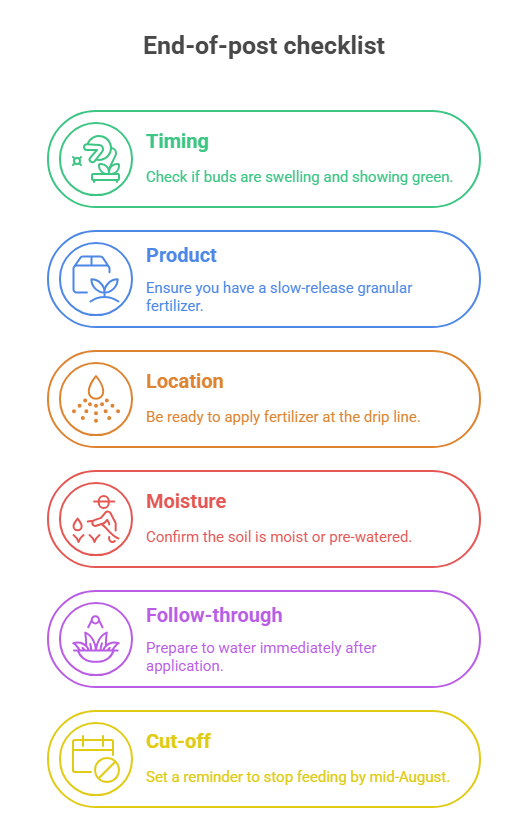
Before you head out to the garden shed, make sure you can check off these boxes to ensure a safe and effective feeding:
Want stronger hydrangea bushes and more reliable blooms-without harsh chemicals? Choose Rizhao Organic plant-based fertilizers to feed the soil first, then the flowers. Our organic nitrogen and NPK options support steady spring growth, healthier roots, and long-lasting nutrition.
Contact us for a recommended formula and application plan for your garden or farm.


