

close
Choose Your Site
Global
Social Media


Author: Site Editor Publish Time: 2026-04-24 Origin: Site
Better field performance rarely comes from fertilizer alone. It comes from timing, crop stage, application rhythm, and using the right product for the right task. That is why Organic nitrogen fertilizer works best when it follows a clear plan instead of a fixed habit. Rizhao Organic Biotechnology Co., Ltd., known as Rizhao Organic, develops plant-based fertilizer solutions for growers who want cleaner nutrition and more practical feeding across the season. For readers already interested in this product, a few well-judged decisions can improve crop response, reduce waste, and make field management easier.
The first useful tip is to focus on early vegetative growth. This is often the stage when nitrogen support matters most because the crop is building leaves, stems, and overall vigor. When this stage is fed well, the field usually shows better color, steadier momentum, and more even development. When it is fed poorly, later correction becomes harder and less efficient.
Many growers wait until visible weakness appears, but that often delays the benefit. Nitrogen works best when it supports active growth rather than trying to repair lost momentum. This does not mean every field needs heavy feeding early, but it does mean early planning usually brings the clearest return.
Later in the season, feeding usually needs more control. Crops do not need the same support from start to finish, and later applications should follow actual crop demand rather than routine habit. Once the crop moves beyond its main vegetative stage, too much nitrogen can lead to unnecessary softness, excess leaf growth, or imbalance in the field.
That is why later feeding should be more measured. In some fields, a lighter touch works better. In others, a well-timed liquid application may still be useful. The key is simple: early growth often needs stronger attention, while later growth usually rewards better timing and restraint.
One of the most practical organic nitrogen fertilizer tips is to match the product form to the field task. Powder is often the better option when the goal is to build the base of the nutrition program. It fits pre-plant use, soil preparation, and base fertilization because it supports the field before rapid growth begins.
This makes powder especially useful for growers who want to work from the soil upward. Organic Nitrogen Fertilizer 15% fits situations where crops need stronger early support or heavier nitrogen input. Organic Nitrogen Fertilizer 8% fits broader routine use where the goal is steadier, more moderate feeding. The real tip is not only to choose powder, but to choose the powder that matches crop demand and field purpose.
Liquid form works best when the field needs faster response or more flexible application. It fits well into foliar spray and drip irrigation systems, making it useful during active growth when timing often matters more than broad early preparation.
The value of liquid form is practical. It helps growers respond to crop demand more directly. Powder helps build the base. Liquid helps fine-tune the program once the season is moving. That simple distinction can improve timing, reduce waste, and make the feeding plan more effective.
Field conditions change fertilizer behavior more than many people expect. Soil texture affects how nutrients move, management style affects feeding rhythm, and crop type changes the level of demand. One formula and one schedule rarely fit every field equally well. Organic nitrogen fertilizer works better when the plan reflects those differences.
Light soils often need more careful timing. In these fields, smaller applications at the right moment often work better than broad, infrequent feeding. This helps avoid waste and makes the program easier to manage.
For light soils, timing becomes as important as product choice. A milder powder may fit routine feeding, while liquid form may help with smaller in-season adjustments. Better timing often matters more than simply using more product.
Some crops make stronger demands on the fertilizer program and leave less room for guesswork. Leafy vegetables and corn are good examples because vegetative growth plays such an important role in field performance. In these cases, nitrogen planning should be clearer from the start.
This does not mean overfeeding. It means providing stronger early support and better-timed follow-up instead of scattered correction. When high-demand crops are managed with a clearer plan, organic nitrogen fertilizer usually performs more consistently.
Common mistake | Likely result | Smarter move |
Applying too late | Extra leaf growth at the wrong time | Move nitrogen earlier into active growth |
Using one product for every task | Uneven field response | Match liquid or powder to the job |
Ignoring soil type | Less efficient feeding | Adjust timing and application rhythm |
Overfeeding | Waste and softer crop growth | Feed in a more measured way |
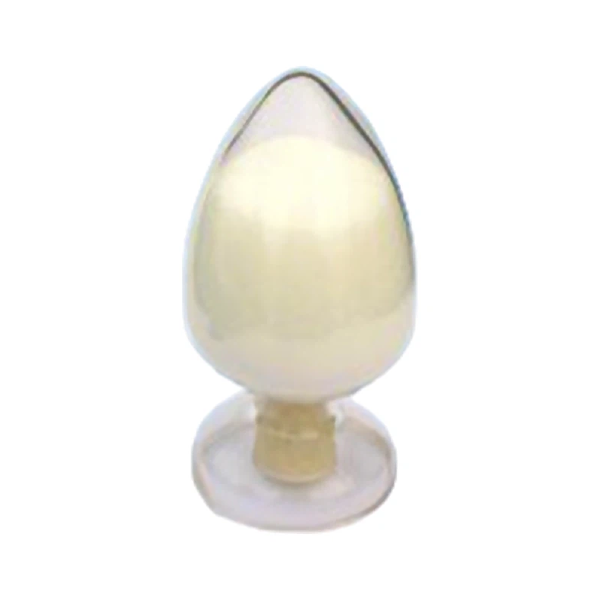
A useful tip is to keep the fertilizer plan simple enough to follow well. Good management usually comes from dividing the season into clear steps and matching fertilizer use to those steps. A practical plan often begins with pre-plant base nutrition, then moves into early growth support, and later shifts to targeted feeding if the crop still needs it.
This step-by-step approach helps avoid doing too much too early or reacting too late. Powder often fits the earlier foundation-building role, while liquid can fit later support. The overall plan stays clearer because each product has a defined purpose.
A plan should guide the season, but it should not replace observation. Crops still need to be watched. Field response shows whether support is arriving at the right time and whether the next application should stay on schedule or be adjusted.
This matters because organic nitrogen fertilizer works best when it matches real crop behavior. A good plan gives direction, but watching the field gives precision.
One of the simplest useful habits is to keep records. A clear note of what was applied, when it was applied, and how the crop responded can improve the next decision more than guesswork. It helps growers judge timing, rate, and product choice more accurately.
Records do not need to be complicated. Even basic notes can help compare one stage to another or one season to the next.
The final tip is to stay close to what the crop actually needs. Some fertilizer programs become too fixed, while others become too reactive. Stronger results usually come from a middle path: keep the plan steady, but let crop stage, soil condition, and field response shape the details.
A good fertilizer program does not need to be dramatic to be effective. It needs to stay close to the crop, the season, and the actual field condition. When growers do that, organic nitrogen fertilizer becomes easier to use well and more valuable over time.
The most useful Organic nitrogen fertilizer tips are often the most practical ones: start with crop stage, match the form to the field task, respect soil differences, and keep the feeding plan steady. Rizhao Organic supports this kind of field use with plant-based products designed for base nutrition, routine feeding, and flexible in-season support. When timing and form are handled well, growers usually gain better control, steadier crop performance, and a clearer path to stronger results. For farms and distributors looking for a practical solution, Liquid Organic Nitrogen Fertilizer can play an important role alongside powder options in a well-managed program. Contact us at Rizhao Organic to learn more about product use, application ideas, and market opportunities.
Apply at the right crop stage, match liquid or powder to the task, avoid using one fixed plan for every field, and keep the feeding program steady instead of reactive.
Powder is usually more suitable for pre-plant use, base fertilization, and soil amendment, especially when the goal is to build a stronger nutritional foundation early in the season.
Liquid is often the better choice when growers need quicker response, targeted in-season support, or a product that fits foliar spray and drip irrigation systems.
Timing matters because crops use nitrogen differently at different stages. Early vegetative growth often needs the most attention, while later applications should be more controlled and matched to actual crop demand.


