

close
Choose Your Site
Global
Social Media


Author: Site Editor Publish Time: 2026-04-21 Origin: Site
Results in the field often change the way growers think about crop nutrition. Some start with Organic nitrogen fertilizer because they want an input that fits organic farming. Others turn to it after seeing the value of steadier growth, cleaner nutrition, and better soil condition over time. Rizhao Organic Biotechnology Co., Ltd., known as Rizhao Organic, develops plant-based fertilizer solutions for growers who want practical performance as well as a more natural fertilizer program. The appeal becomes easier to understand when the benefits are viewed from soil to crop to daily field management.
The first reason many growers notice organic nitrogen fertilizer is simple: crops need nitrogen to build strong vegetative growth. Healthy leaves, good color, steady early development, and stronger field vigor are all connected to how well nitrogen is supplied. When the crop receives enough support at the right stage, growth looks more even and the field usually becomes easier to manage.
This matters most in the early part of the season and during active vegetative growth. Leafy vegetables, corn, and many other crops depend on nitrogen to build the structure that later supports yield and quality. A practical fertilizer program is not only about pushing growth fast. It is about helping crops develop in a stable way that matches real farm conditions. Organic nitrogen fertilizer fits that goal well because it supports growth while staying aligned with cleaner and more natural crop nutrition.
In the field, the value shows up in ways growers can actually see. Crops often look stronger, leaf development becomes more consistent, and early growth tends to stay on a steadier path. That kind of result matters because strong vegetative development is often the base for what comes later.
One of the biggest benefits of organic nitrogen fertilizer is that it can support a steadier pattern of growth. Many growers do not want a feeding plan built around sudden surges followed by visible slowdown. They want crops to move forward with better balance. A steadier release pattern helps create that effect by feeding the crop in a more measured way.
This is especially useful where crop quality depends on consistency. Uneven growth can lead to uneven fields, and uneven fields are harder to manage, harvest, and market. A more stable source of nitrogen helps reduce that problem. Growth stays easier to guide, and the crop is less likely to move through sharp changes caused by poorly matched feeding intensity.
This does not mean every field should be fed the same way. It means a fertilizer with a more stable release pattern often gives growers more control. In real agriculture, control is valuable. It makes feeding decisions easier, supports steadier crop appearance, and helps the season feel less reactive.
Crop growth may be the first visible benefit, but the deeper value of organic nitrogen fertilizer often sits in the soil. A plant does not grow in a vacuum. It grows in a root zone shaped by soil texture, moisture conditions, and the general quality of the growing environment. Organic inputs help support that environment in a way that matters over time.
When plant-based materials such as soy meal, corn starch, and wheat bran are used as part of the fertilizer source, they contribute more than surface nutrition alone. They help support a healthier soil structure and a better balance in the root zone. This can improve moisture handling and create a more favorable environment for steady crop development. The value is practical rather than abstract. Better soil condition often means the crop establishes more smoothly and responds more evenly to management.
This is one reason many growers stay with organic fertilizer once they have seen the long-term effect. Soil improvement does not always appear in one dramatic moment, but over time it becomes easier to recognize. A healthier field often supports a healthier crop.
Soil biology is not always the first thing growers mention, yet it becomes more important the longer a field is managed. A fertilizer program that supports soil activity can help nutrient cycling work more smoothly and strengthen the field over time. That is one of the less obvious but more valuable benefits of organic nitrogen fertilizer.
Feeding the soil is different from only feeding the crop in the short term. When the fertilizer program supports a more active soil environment, the field often becomes more resilient and more workable from season to season. This matters for growers who think beyond one crop cycle and want a production system that stays productive over time.
Organic nitrogen fertilizer fits this way of thinking because it brings nutrition in a form that can work with the soil rather than simply passing through it as a quick input. That gives the field more long-term value and helps explain why many growers see organic fertilizer as part of a broader agricultural strategy rather than a single-season tool.
Benefit area | What growers may notice in practice |
Crop growth | Stronger vegetative development |
Soil condition | Better structure and moisture support |
Soil activity | More active nutrient cycling |
Field management | More flexible long-term planning |
The source of the product changes how it is understood in the field and in the market. Plant-based raw materials give organic nitrogen fertilizer a cleaner and more natural product story, and that matters to growers working in organic farming, green cultivation, and higher-value crop programs. A fertilizer made from soy meal, corn starch, and wheat bran feels easier to trust because the materials are clear and familiar. It also fits better into production systems where input quality matters as much as crop response. Rizhao Organic builds this kind of plant-based profile into its fertilizer range so growers can work with products that feel more consistent with cleaner agriculture and more transparent field management.
Premium crop programs often place more weight on the full production story, not only on yield alone. In those situations, plant-based nutrition feels easier to integrate because it matches the direction of greener farming and cleaner cultivation. The fertilizer does not need to rely on a complicated message. Its value is already clear in the source.
This also strengthens confidence in the input itself. Growers want to know what they are applying, how it fits the crop, and whether it supports the overall direction of the farm. Plant-based organic nitrogen fertilizer gives a more convincing answer to those questions. It feels suitable for growers who care about crop quality, field condition, and how the production program is perceived from start to finish.
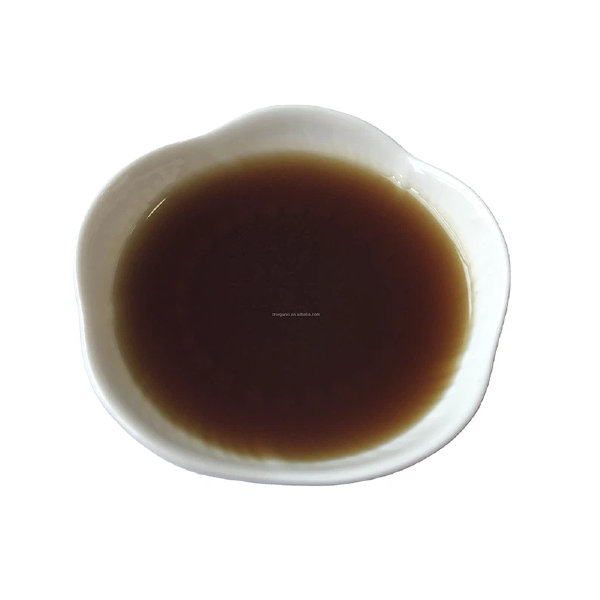
Many fertilizer decisions are made around immediate field needs, but that only shows part of the picture. A crop may respond to one application, yet the real value of a fertilizer program often appears over time. Organic nitrogen fertilizer is useful because it supports more than a quick feeding result. It becomes part of a broader nutrition plan that shapes how the field performs across the season.
This matters because good agriculture is rarely built on one strong moment. It is built on repeatable management that keeps the crop moving in the right direction. A fertilizer that supports steady growth, better soil condition, and practical timing has more value than one that only looks impressive in a short window.
Long-term fertilizer value becomes clearer when growers look beyond one crop cycle. Better soil support can influence how the field performs in the next season as well. Improved soil condition, steadier nutrient cycling, and a better root environment do not disappear when one crop is harvested. They can shape what happens next.
That long-term view is one reason organic nitrogen fertilizer remains attractive in serious agricultural programs. It supports current crop performance, but it also contributes to a healthier foundation for future work. This gives growers a stronger reason to stay with a more balanced fertilizer approach rather than relying only on short-term results.
One practical benefit is flexibility across the season. Not every stage calls for the same type of feeding, and not every crop should be managed the same way. Rizhao Organic offers liquid organic nitrogen fertilizer, Organic Nitrogen Fertilizer 15%, and Organic Nitrogen Fertilizer 8% so growers can match the product to the moment. Stronger powder may fit heavier nitrogen demand or base feeding. Gentler powder may fit routine use and more measured programs. Liquid form may fit targeted support during active growth.
This makes the fertilizer range more useful in real agriculture. Instead of forcing one product into every job, growers can work with a product line that reflects how field needs actually change.
A wider range also makes nutrition planning easier. Some fields need a stronger early base. Others need milder routine feeding. Some need a liquid option that works well with foliar spray or drip irrigation. When those choices are already available within one product range, the feeding plan becomes simpler to organize and easier to adapt as the season develops.
That kind of flexibility is a benefit in itself. It helps growers stay practical, keeps product choice aligned with crop need, and supports better planning without making the fertilizer program more complicated than it needs to be.
The appeal of Organic nitrogen fertilizer goes far beyond one visible benefit. It supports crop growth, helps improve soil condition, encourages stronger field resilience over time, and gives growers a more flexible way to build a cleaner nutrition program. Rizhao Organic brings these advantages together through a plant-based product range designed for real agricultural use and long-term value. For growers and distributors looking for steadier growth support, healthier soil, and more practical feeding options, Liquid Organic Nitrogen Fertilizer shows how cleaner nutrition can fit naturally into modern crop production. Contact us at Rizhao Organic to learn more about product applications, market opportunities, and the right solution for your needs.
The main benefits include stronger vegetative growth, better soil condition, more active soil biology, and a steadier nutrition program that is easier to manage across the season.
Plant-based products offer a cleaner input story, clearer raw material sourcing, and a better fit for organic farming, green cultivation, and premium crop programs.
No. It supports the current crop, but it can also improve soil condition and nutrient cycling in ways that benefit future seasons.
Different crops and growth stages need different feeding styles. A wider range makes it easier to move from base nutrition to targeted in-season support with better flexibility.


